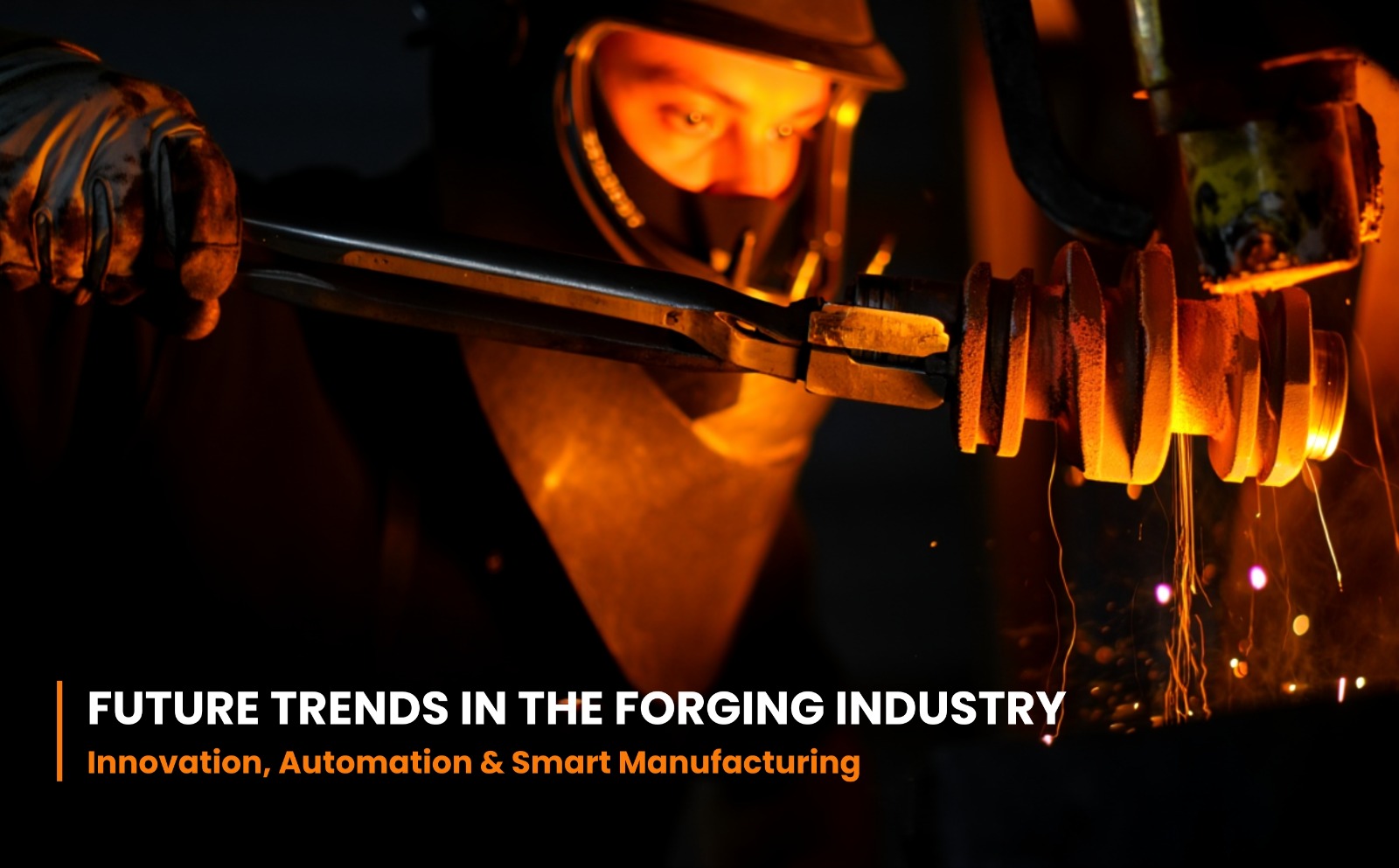
2026 is a year of compounding pressure on forging shops — tighter cost expectations, stricter traceability, and a customer base that increasingly cares about embedded carbon. Here's how the team at Forgewell sees it playing out.
1. Lightweighting Without Losing Strength
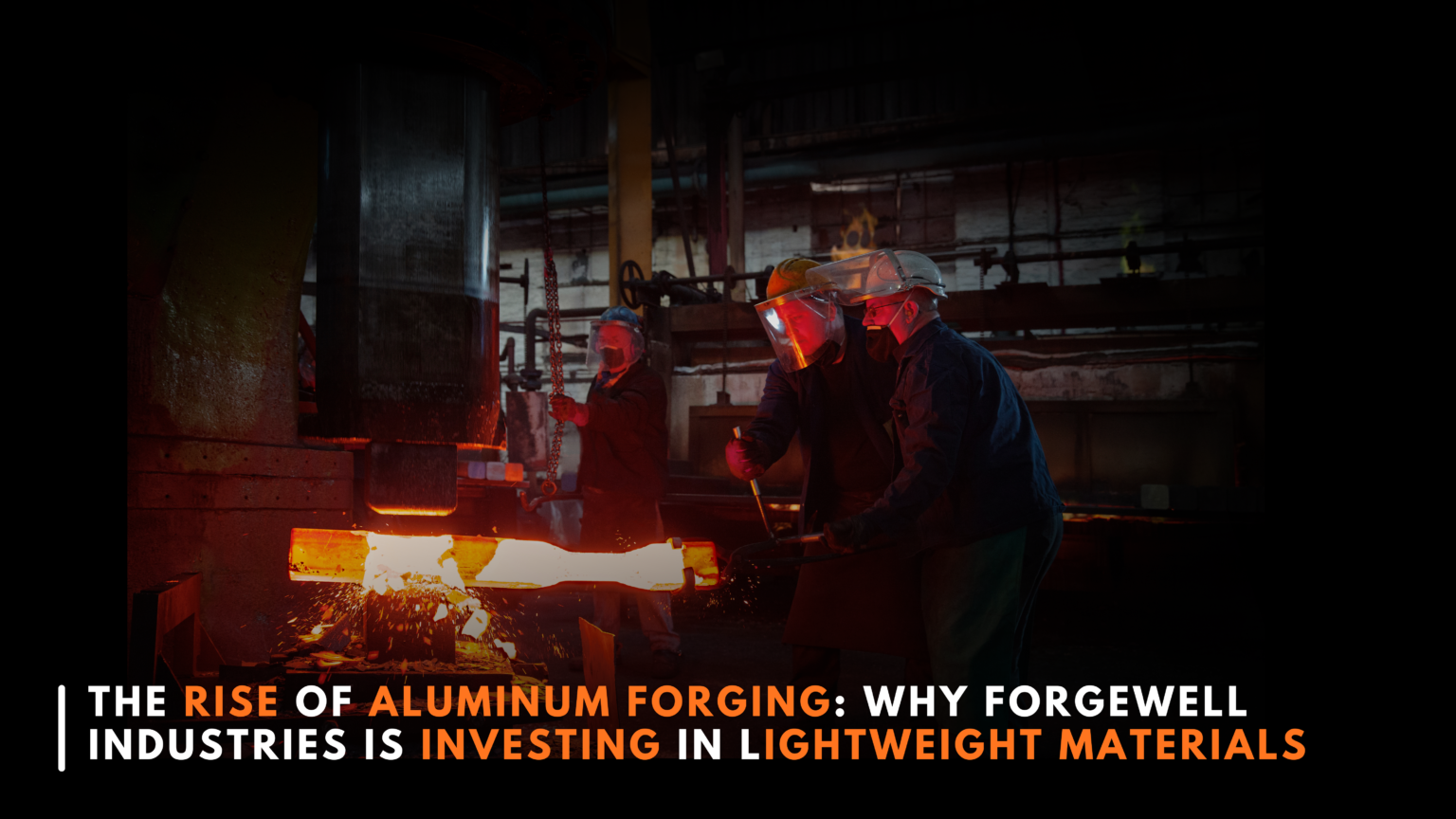
EV powertrains, drone airframes, and modern aerospace structures all want lighter parts that haven't given up any toughness. That pushes forging toward higher-strength alloys, optimized geometries, and tighter near-net-shape work — converting raw stock to finished part with less machining waste.
2. Automation on the Shop Floor
Hammer-side robotics for material handling, automated billet heating, and vision-assisted die change-over are no longer just for the largest plants. Mid-size forges are adopting them in pieces — often starting with the operations that introduce the most variability.
3. AI & Predictive Maintenance
Sensors on hammers, presses, and furnaces are generating volumes of data that finally have somewhere useful to go. Predictive models flag dies approaching end-of-life, anticipate furnace controller drift, and help schedule maintenance windows with far less guesswork.
4. Traceability End-to-End
From mill cert to final test certificate, customers in aerospace, defence, and energy now expect a complete digital paper trail. The shops that win 2026's contracts are the ones investing in MES systems and traceable QA from billet to bin.
5. Sustainability Becomes a Buying Criterion
Lower-carbon steel inputs, heat recovery on furnaces, and energy-tracked production are moving from "nice to have" to active line items in supplier audits. The push is coming as much from European OEMs as from Indian regulators.
What It Means for Buyers
The forging partners that thrive in this environment will be the ones combining metallurgical depth with digital discipline — the kind of supply chain you can audit, scale, and rely on under stress.