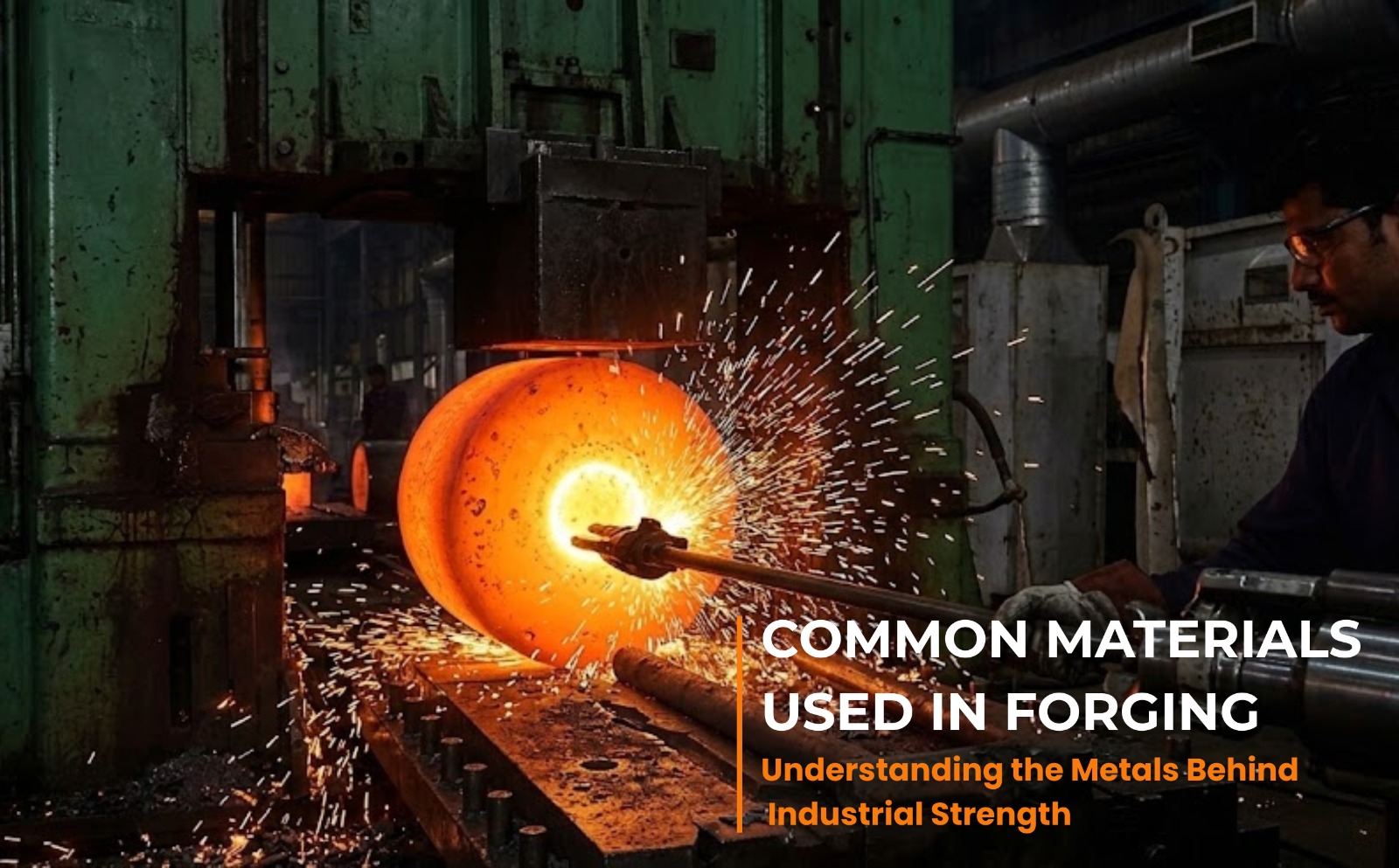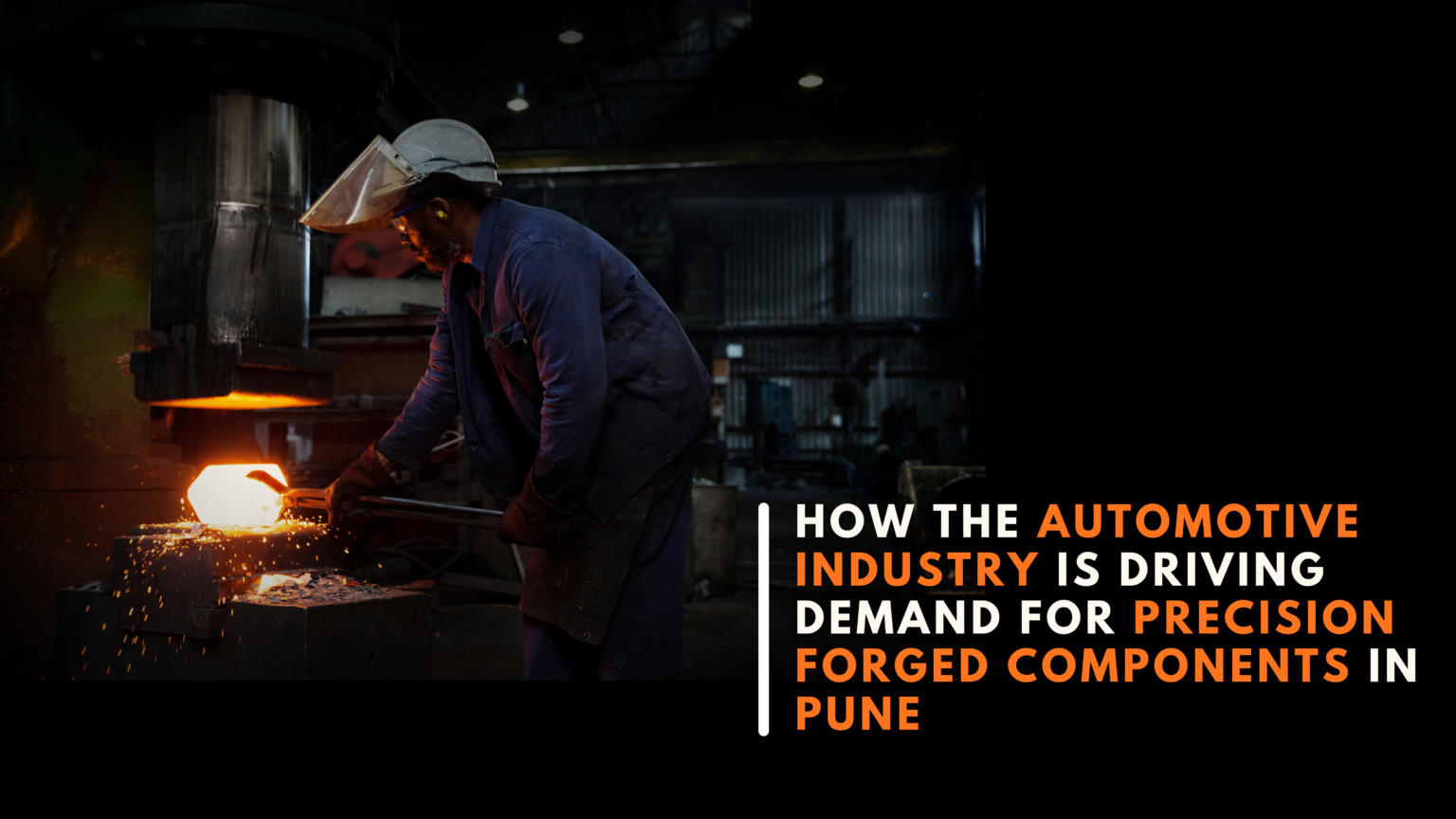
The push for lighter, stronger components is no longer just an aerospace conversation. EVs, drones, defence platforms, and even industrial machinery are pulling more aluminum forgings into their bills of materials — and we're investing in the capability to meet that demand.
Why Aluminum, Why Now
Three forces are converging:
- Electrification. Every kilogram saved on an EV chassis or motor housing is a kilogram of additional range or payload.
- Performance density. Aluminum forgings hit strength-to-weight ratios that cast or extruded alternatives can't match in critical service.
- Sustainability arithmetic. Lighter parts reduce lifetime energy consumption, and aluminum's recyclability makes the embedded-carbon math friendlier.
What Aluminum Forging Brings to the Table
- Refined grain flow oriented along part stress lines
- Excellent fatigue resistance — important for cyclic-load components
- Good corrosion behaviour, especially in marine and aerospace environments
- Tighter dimensional consistency than casting, with less porosity risk
Where We See It Going
The applications growing fastest in our customer pipeline:
- EV motor housings and battery enclosure mounts
- Suspension and steering knuckles
- Aerospace structural fittings
- Drone airframe and gimbal components
- Lightweight industrial pump and valve bodies
The Investment Forgewell is Making
Aluminum forging isn't a cosmetic add-on to a steel-focused shop — it's a different metallurgy and a different process discipline. We're building it deliberately: dedicated heating, separate handling and tooling, and a quality system that treats aluminum as the precision material it is.
Have an aluminum forging program in development? Talk to Forgewell early — design-for-forging input saves real cost.
Discuss Your Part