For decades, aerospace-grade forgings were a market dominated by a handful of global suppliers. That's changing — and Indian manufacturers with the right combination of metallurgical depth, quality systems, and certification roadmaps are stepping into the gap.
What's Driving the Shift
- Global supply chain rebalancing. OEMs and Tier-1s want their forging supply spread across more geographies, and India is high on the shortlist.
- India's MRO and defence push. Domestic aircraft programs and a maturing MRO sector are creating dependable home demand for aerospace-grade forgings.
- Cost arbitrage that holds up under audit. Indian forgers can hit aerospace tolerances and certification at a cost structure global buyers can't ignore.
What Buyers Actually Look For
Aerospace forging customers don't just want a part that meets print — they want documented, repeatable, audit-ready quality. The bar usually includes:
- AS9100 or NADCAP-aligned quality systems
- Full chemistry and mechanical traceability from billet to part
- Non-destructive examination — UT, MT, dye-penetrant — performed in-house or by accredited labs
- Process control documentation (forge cycles, heat-treat charts, cooling rates)
- Approved Special Process suppliers for plating, peening, and finishing
Why Open Die Forging Matters Here
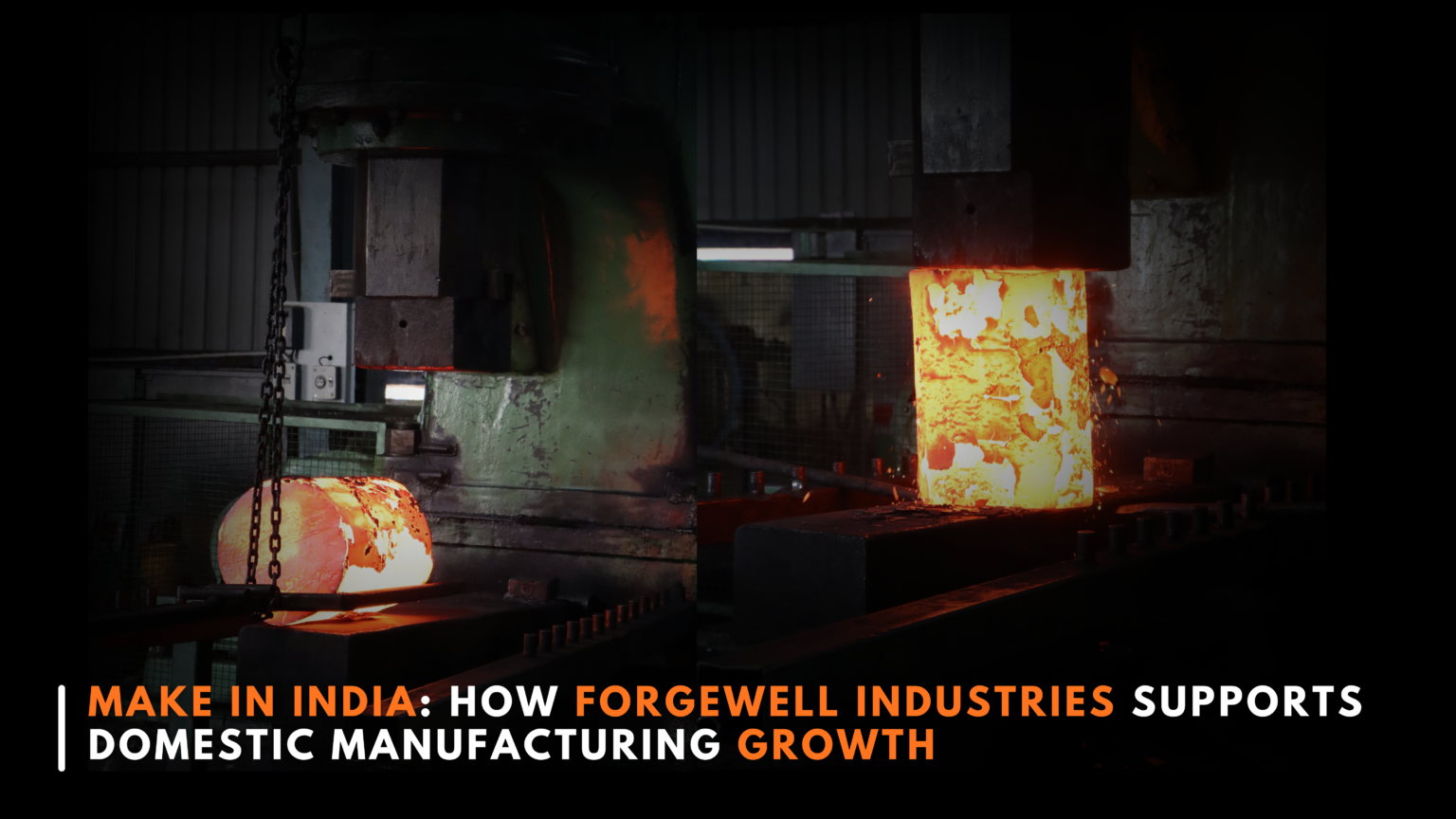
Aerospace structural parts are often low-to-medium volume, large geometry, and high-value. That's exactly the slot open die forging fills well — flexible tooling, refined grain flow, and the ability to forge near-net shapes that minimise expensive downstream machining of titanium and high-strength alloy steels.
How Forgewell is Positioning
Two production units, NABL-accredited testing, ISO 9001:2015 certification by TUV NORD, and a deep bench in alloy steels — these are the building blocks of an aerospace-ready partner. The next phase is targeted process certification and selective expansion into approved aerospace materials.