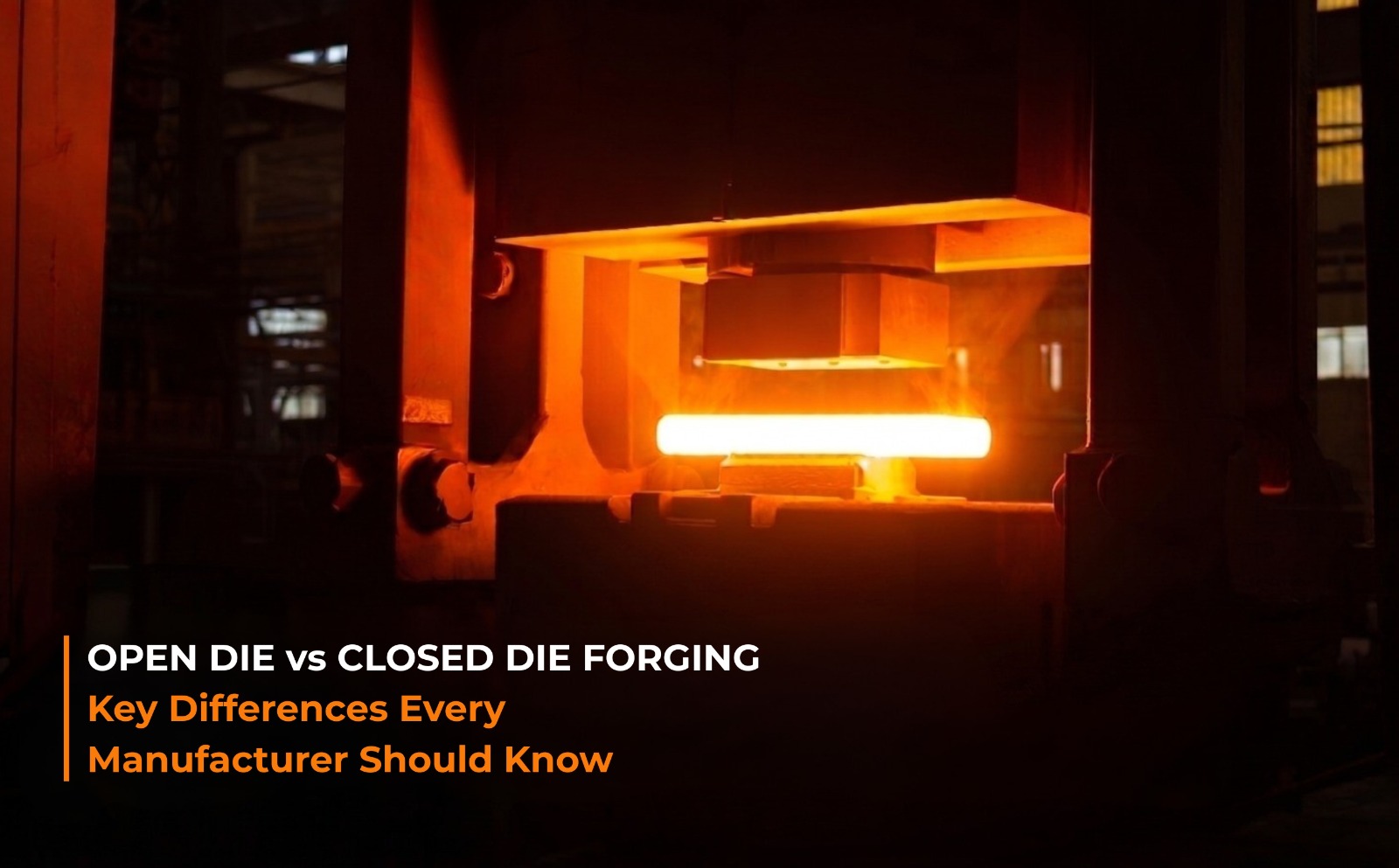
Open die forging is a highly effective metal forming process used to shape heated metal into strong and durable components. Unlike closed die forging, the material is not confined within a mold, allowing greater flexibility in producing large and custom-shaped parts.
How Open Die Forging Works
The process happens in carefully controlled stages, each one tuned to the metal's grade, geometry, and end-use:
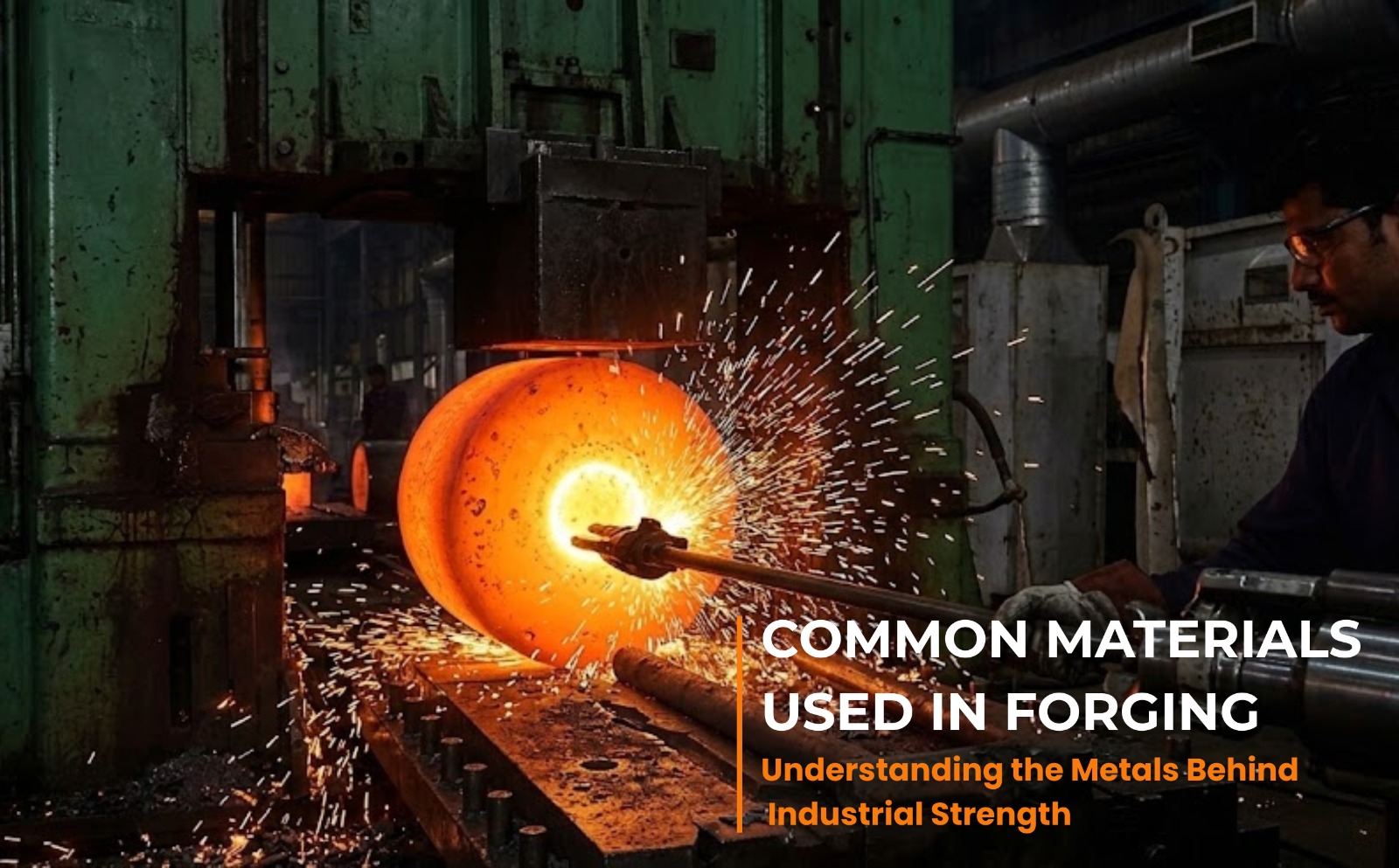
- Heating the raw metal to high temperatures
- Placing it between flat or shaped dies
- Applying compressive force using a hammer or press
- Gradually shaping the material into the desired form
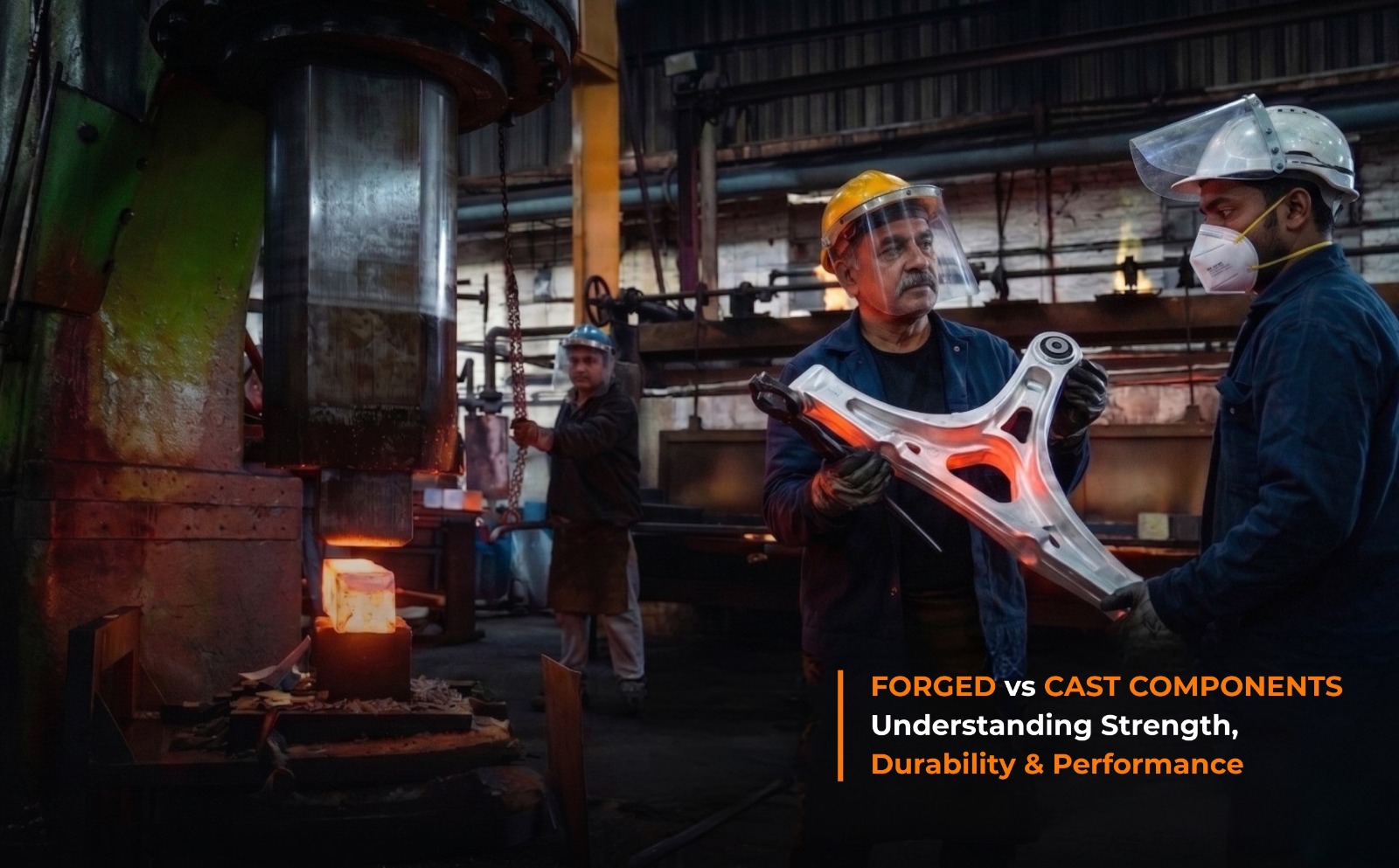
This process enhances the internal grain structure, resulting in superior mechanical properties — better fatigue life, higher impact resistance, and tighter dimensional consistency than cast or fabricated alternatives.
Key Benefits
- High strength and structural integrity
- Improved grain flow and durability
- Ideal for large and heavy components
- Cost-effective for custom, low-to-medium volume production
Applications
Open die forging is widely used across industries that depend on rugged, mission-critical parts:
- Automotive shafts and axles
- Oil & gas equipment
- Power generation components
- Heavy industrial machinery
Conclusion
Open die forging plays a critical role in industries that demand high-performance and long-lasting components. Its flexibility and strength make it one of the most reliable manufacturing processes — and the right choice when failure is not an option.